
Radon Testing
- Home
- /
- Radon Testing
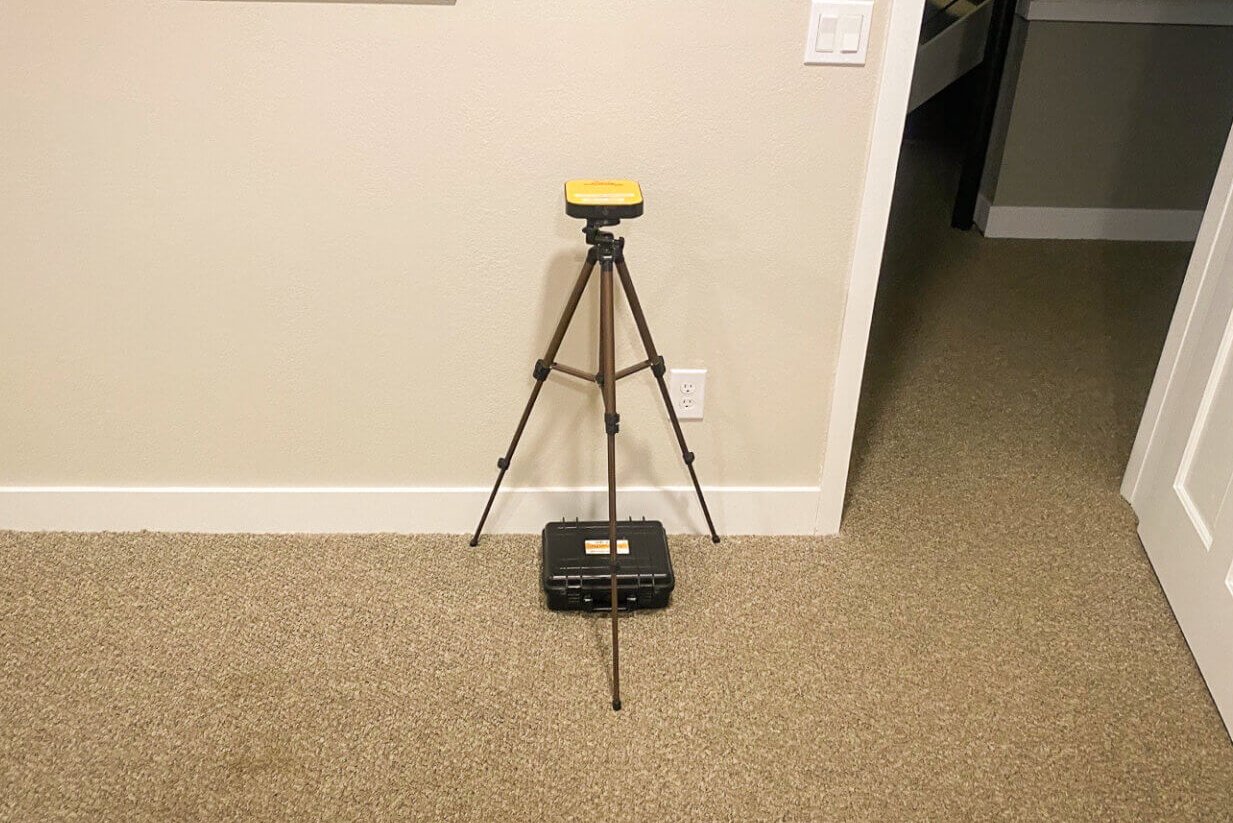
Professional Radon Testing Services
Radon is an invisible, odorless, and tasteless radioactive gas that occurs naturally from uranium decay in soil and rock. Prolonged exposure to elevated radon levels represents a significant health concern and is the second leading cause of lung cancer nationwide. Timely Home Inspection provides professional radon testing services using state-of-the-art measurement equipment, helping property owners identify hazardous conditions and take corrective action before health risks escalate.
Our testing protocols follow established industry standards, delivering accurate results you can trust. Whether you are buying a home, selling a property, conducting workplace safety assessments, or monitoring existing mitigation systems, our radon evaluations provide the reliable data needed for informed decisions regarding occupant health and property safety.
What Our Radon Reports Include
Following every radon test, clients receive comprehensive documentation that translates measurement data into actionable safety guidance.
- Numerical radon concentration results expressed in picocuries per liter (pCi/L).
- EPA-recommended action level comparison and health risk interpretation.
- Mitigation recommendations when elevated levels are detected in occupied spaces.
Key Areas We Test
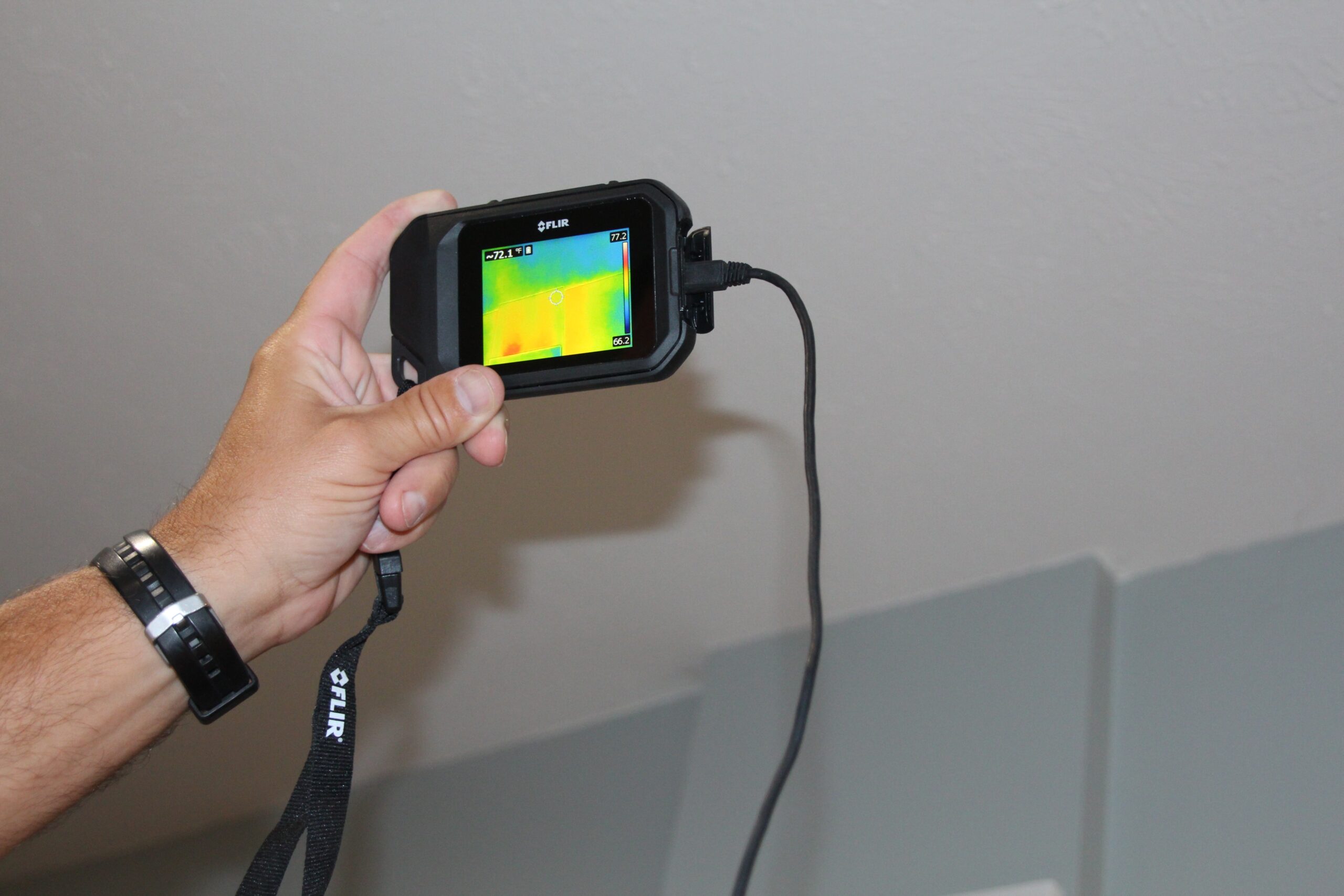
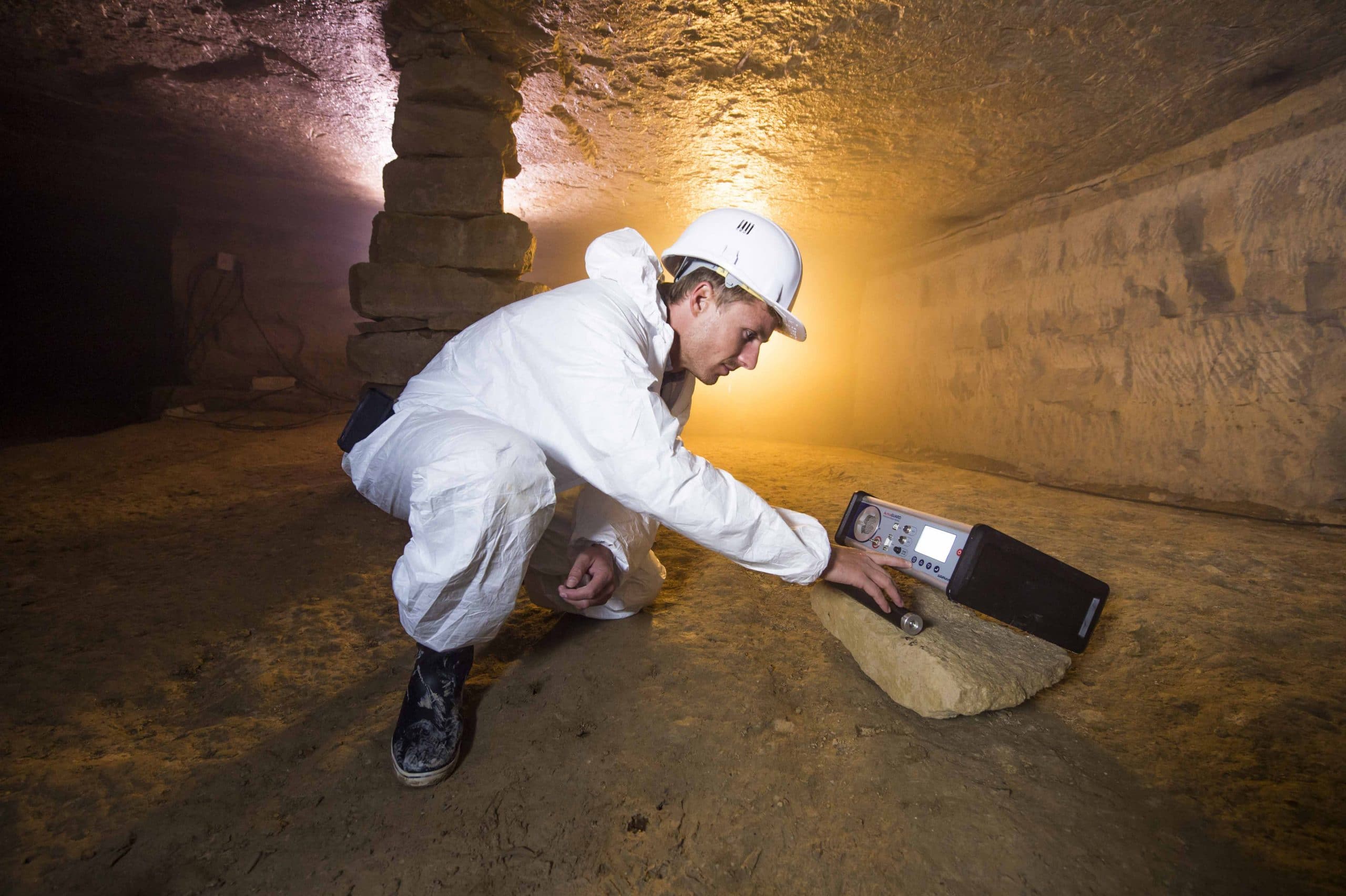
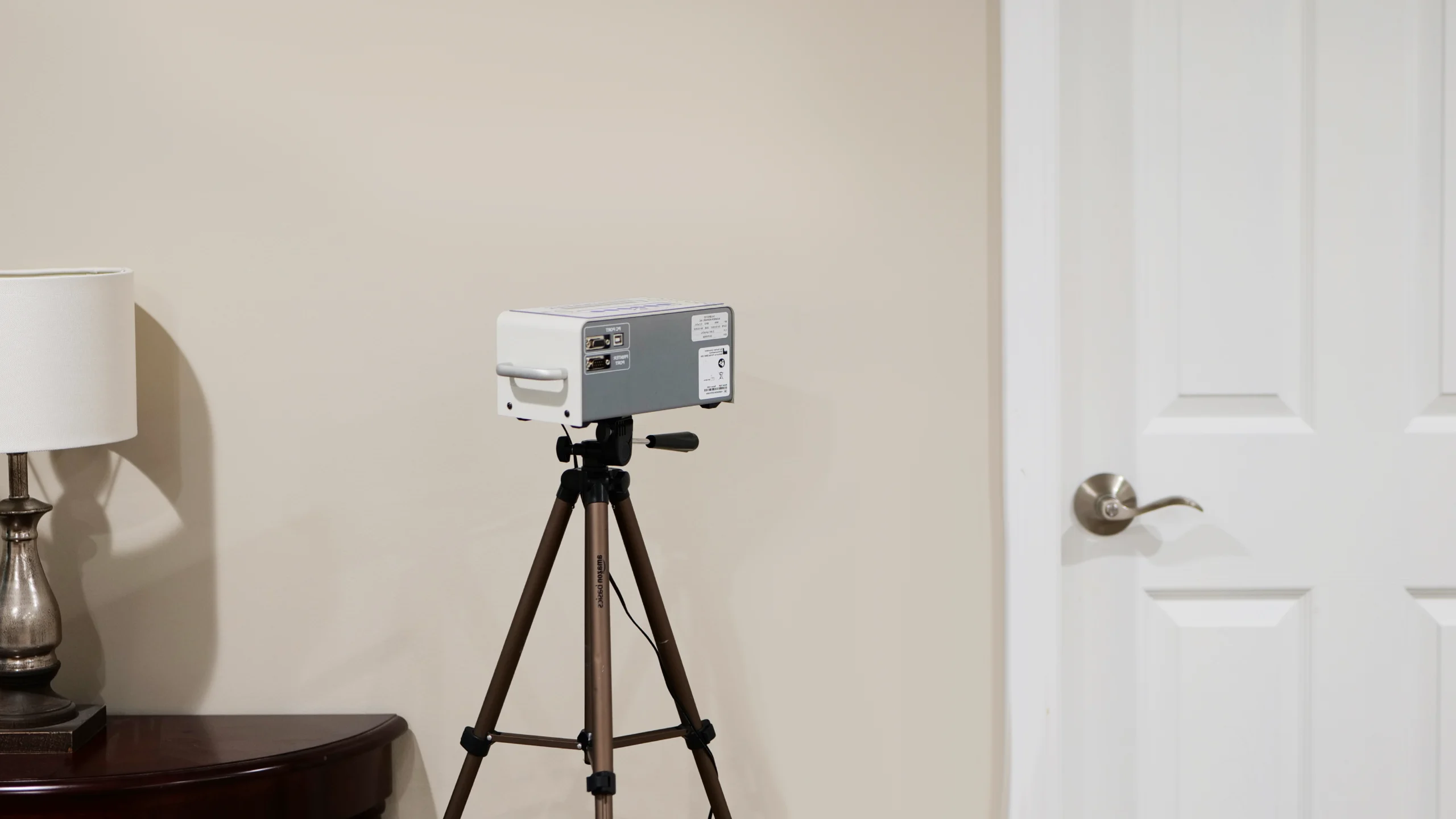
Our radon measurement methodology focuses on occupied living spaces, lower levels, and areas where gas intrusion is most likely to occur. We systematically evaluate each critical zone.
Test basements, crawlspaces, and slab-on-grade areas with soil contact.
Evaluate ground-floor living spaces, recreation rooms, and finished lower levels.
Assess HVAC system impacts on radon distribution throughout the structure.
Monitor occupied areas above crawlspaces and unfinished utility rooms.
Verify mitigation system performance when existing equipment is installed.
frequently asked questions
How does radon enter buildings?
Radon enters through foundation cracks, construction joints, pipe penetrations, sump pits, and crawlspace openings where soil gas migrates into occupied spaces.
How long does radon testing require?
Short-term testing typically requires 48 hours with closed-building conditions. Long-term testing may extend from 90 days to one year for seasonal average measurements.
When should I test for radon?
Testing is recommended during real estate transactions, after major renovations, following mitigation system installation, and every two years for ongoing monitoring.
What should I do if elevated radon levels are found?
Contact a certified radon mitigation contractor to design and install a reduction system. Most elevated homes can be effectively remediated.