
Mold Screening and Air Sampling
- Home
- /
- Mold Screening and Air Sampling
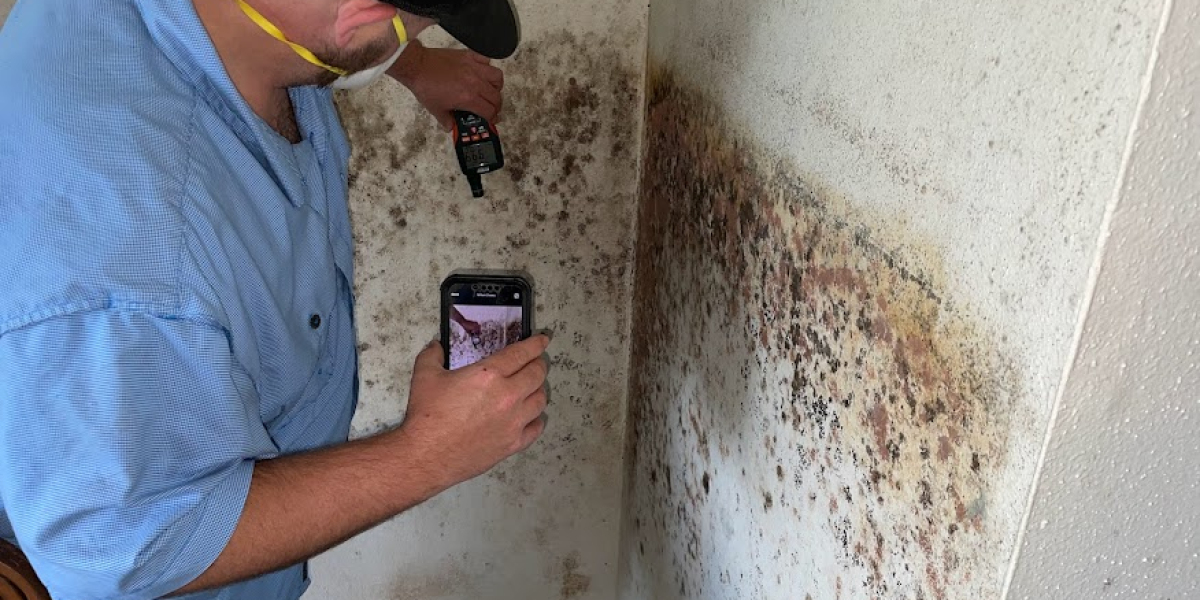
Professional Mold Screening & Air Sampling Services
Mold growth in buildings can compromise indoor air quality, trigger allergic reactions, aggravate respiratory conditions, and cause structural damage to building materials. Timely Home Inspection provides professional mold screening and air sampling services using industry-approved methodologies, helping property owners identify hidden moisture problems, assess contamination levels, and develop effective remediation strategies. Our inspectors combine visual assessment with scientific sampling to deliver accurate, actionable results.
Our evaluation process examines visible mold growth, moisture intrusion sources, and airborne particle concentrations using calibrated sampling equipment. Whether you are purchasing a property, investigating unexplained health symptoms, or evaluating water damage restoration, our mold assessments provide the reliable data needed for informed decisions regarding occupant health and building integrity.
Key Areas We Screen
Our mold screening methodology focuses on areas prone to moisture accumulation, hidden growth, and airborne contamination. We systematically evaluate each critical zone.
- Sample indoor air quality across multiple occupied spaces and floor levels.
- Test surface swabs from visible growth, water stains, and suspect materials.
- Evaluate basements, crawlspaces, attics, and areas with past water intrusion.
What Our Mold Reports Include
Following every mold screening, clients receive comprehensive documentation that translates sampling data into actionable remediation guidance.
Laboratory analysis results with spore counts and species identification.
Comparison of indoor versus outdoor baseline samples for contamination context.
Moisture source identification and corrective action recommendations.
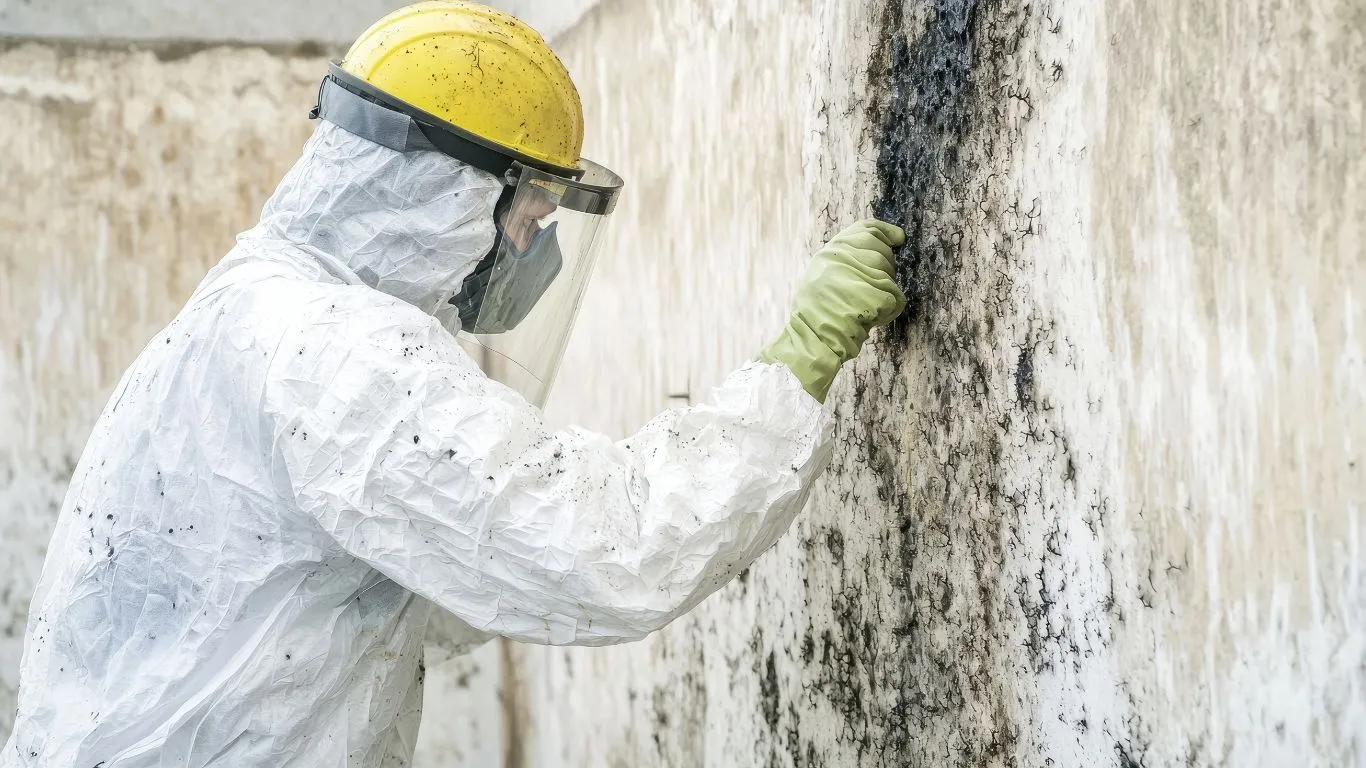
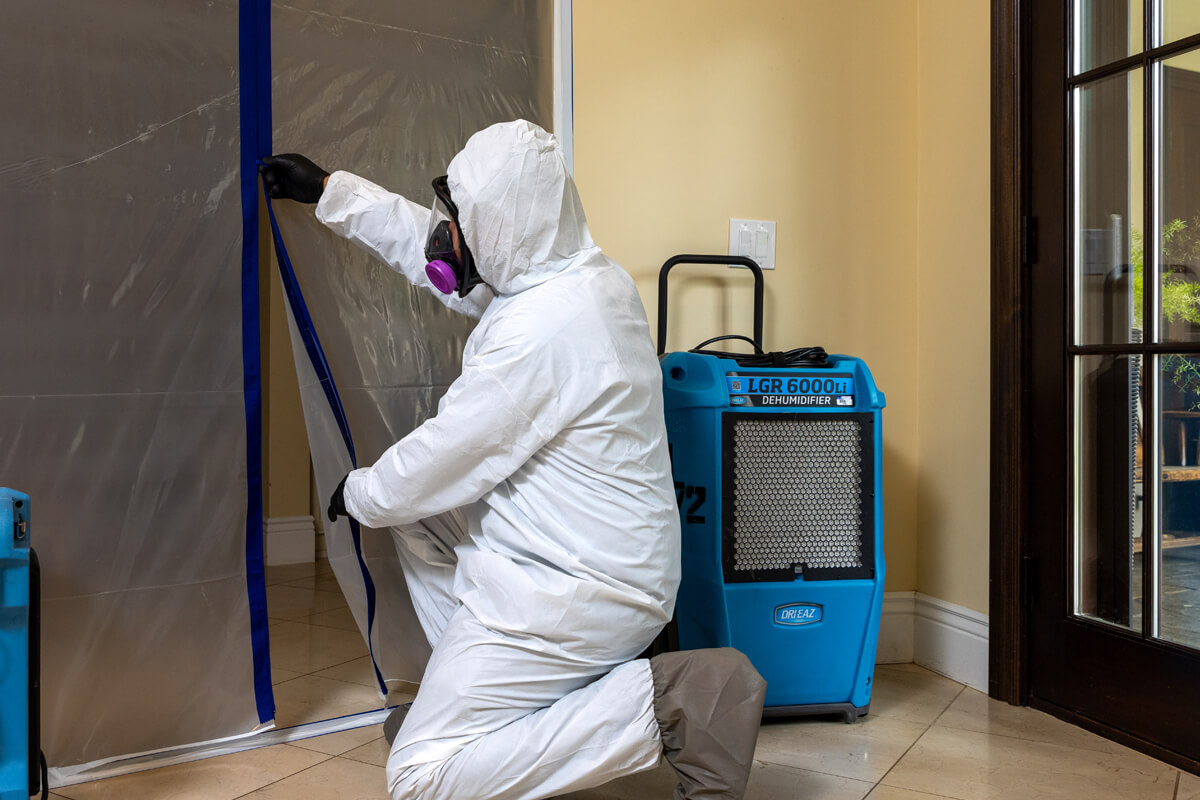
Remediation protocols including containment, removal, and clearance testing.
frequently asked questions
What causes mold growth in buildings?
Mold requires moisture, organic materials, and suitable temperatures. Leaks, condensation, flooding, and elevated humidity commonly support growth.
How does air sampling detect mold problems?
Air samples capture airborne particles that are analyzed in laboratories to identify spore types, concentrations, and contamination patterns.
When should I consider mold testing?
Consider testing after water damage, before property purchase, when occupants experience health symptoms, or when visible growth appears.
Can mold be completely eliminated from buildings?
Complete elimination is impractical, but professional remediation can reduce contamination to acceptable indoor levels.